 English
 Español
  Português
  русский
  Français
  日本語
日本語  Deutsch
  tiếng Việt
  Italiano
  Nederlands
  ภาษาไทย
  Polski
  한국어
한국어  Svenska
  magyar
  Malay
Malay  বাংলা ভাষার
  Dansk
Dansk  Suomi
Suomi  हिन्दी
  Pilipino
  Türkçe
  Gaeilge
  العربية
  Indonesia
  Norsk
Norsk  تمل
تمل  český
český  ελληνικά
  український
  Javanese
  فارسی
فارسی  தமிழ்
தமிழ்  తెలుగు
  नेपाली
  Burmese
  български
  ລາວ
ລາວ  Latine
  Қазақша
  Euskal
  Azərbaycan
  Slovenský jazyk
  Македонски
  Lietuvos
  Eesti Keel
  Română
  Slovenski
  मराठी
मराठी  Srpski језик

Call Us
+86-13906474940
Email Us
sales@tenachtyre.com

Everything You Need to Know About Radial OTR Tires: Are They the Right Choice for Your Heavy Equipment
Article Summary: Radial OTR (Off-The-Road) tires have transformed the heavy machinery industry with their durability, performance, and cost efficiency. This guide explores the advantages, types, maintenance tips, and buying considerations of radial OTR tires. By the end, you'll understand why Tenach radial OTR tires are a top choice for construction, mining, and industrial applications.
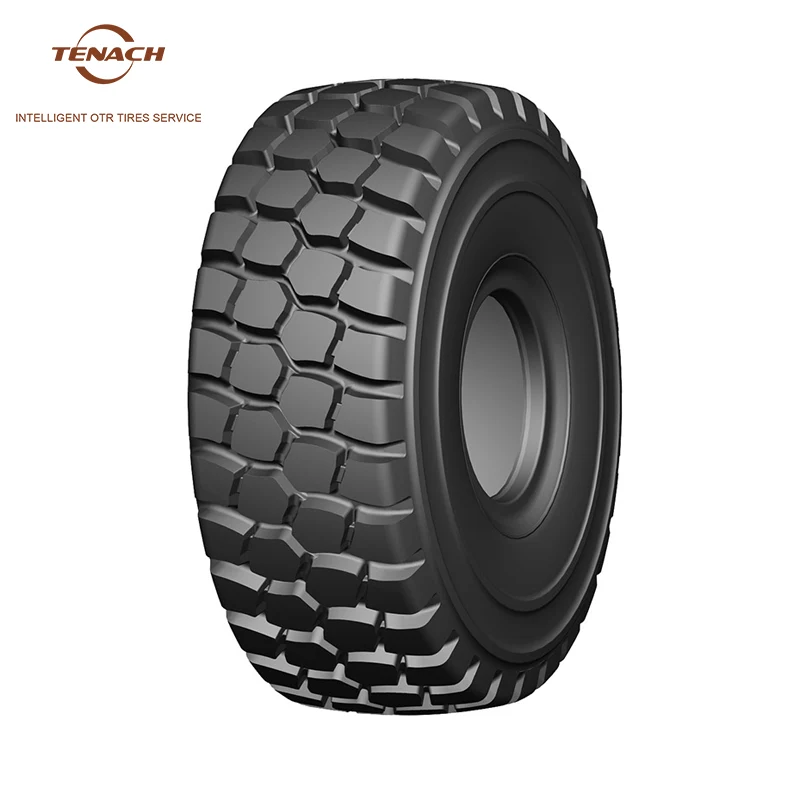
Table of Contents
- What Are Radial OTR Tires?
- Radial vs Bias OTR Tires: Which One Should You Choose?
- Key Benefits of Radial OTR Tires
- Types of Radial OTR Tires
- Maintenance Tips for Longer Tire Life
- Buying Guide: How to Choose the Right Radial OTR Tire
- Frequently Asked Questions (FAQ)
- Conclusion
What Are Radial OTR Tires?
Radial OTR tires are specialized tires designed for heavy-duty vehicles operating off paved roads, including loaders, dump trucks, and graders. Unlike bias-ply tires, radial OTR tires feature steel belts arranged at 90 degrees to the direction of travel, offering improved traction, heat dissipation, and longevity.
These tires are particularly popular in mining, construction, forestry, and quarrying operations. Leading companies, like Tenach, manufacture radial OTR tires optimized for high load capacities, challenging terrains, and extended operational hours.
Radial vs Bias OTR Tires: Which One Should You Choose?
| Feature | Radial OTR Tires | Bias OTR Tires |
|---|---|---|
| Construction | Steel belts at 90° to travel direction | Layers of fabric at alternating angles |
| Durability | High resistance to wear and punctures | Moderate resistance |
| Traction | Excellent in loose or soft terrains | Good on firm surfaces |
| Heat Dissipation | Better, reduces tire failure | Poorer, higher risk of overheating |
| Cost | Higher initial cost but lower lifetime cost | Lower initial cost but higher replacement frequency |
As shown above, radial OTR tires are typically the preferred choice for heavy machinery operators seeking long-term performance and safety.
Key Benefits of Radial OTR Tires
- Longer Lifespan: Steel-belted construction reduces tread wear, extending tire life.
- Improved Fuel Efficiency: Lower rolling resistance translates to less fuel consumption.
- Enhanced Traction: Optimal grip in soft, rocky, or muddy terrains.
- Comfortable Ride: Radial tires absorb shocks better, reducing stress on the vehicle and operator.
- Lower Maintenance Costs: Reduced risk of punctures and damage minimizes downtime.
Types of Radial OTR Tires
Radial OTR tires come in several variants tailored to specific industrial needs:
- Loader Tires: Designed for front-end loaders, offering high traction and durability on loose surfaces.
- Dump Truck Tires: High-load tires built for mining and quarry operations.
- Grader Tires: Optimized for construction vehicles maintaining roads and highways.
- Skidder Tires: Engineered for forestry equipment operating in rugged terrains.
- Earthmover Tires: Heavy-duty tires capable of carrying massive payloads across rough terrain.
| Application | Recommended Tire Type | Key Feature |
|---|---|---|
| Construction | Loader & Grader Tires | Traction and durability |
| Mining | Dump Truck & Earthmover Tires | High load capacity and puncture resistance |
| Forestry | Skidder Tires | Rugged terrain handling |
Maintenance Tips for Longer Tire Life
Proper maintenance is crucial to maximize the performance of radial OTR tires. Key tips include:
- Regular Inspections: Check for cuts, punctures, or abnormal wear patterns.
- Correct Inflation: Maintain recommended tire pressure to prevent uneven wear and improve fuel efficiency.
- Rotation: Rotate tires regularly to ensure uniform wear.
- Load Management: Avoid overloading vehicles to extend tire life.
- Proper Storage: Store tires in cool, dry environments away from direct sunlight and chemicals.
Buying Guide: How to Choose the Right Radial OTR Tire
When selecting radial OTR tires, consider the following factors:
- Load Rating: Match the tire's load capacity with your vehicle’s maximum weight.
- Terrain Type: Choose tires designed for the specific working conditions (soft soil, rocky, muddy, or mixed terrains).
- Tread Pattern: Deep lugs for mud, block patterns for rocks, and multi-purpose for mixed surfaces.
- Durability & Brand Reputation: Opt for established brands like Tenach for proven reliability.
- Cost vs Lifetime Value: Consider long-term benefits rather than initial price alone.
Frequently Asked Questions (FAQ)
1. What makes radial OTR tires better than bias-ply tires?
Radial OTR tires offer better traction, longer lifespan, lower rolling resistance, and improved heat dissipation compared to bias-ply tires.
2. How often should radial OTR tires be inspected?
Inspections should be done weekly or before every major operation to detect damage, punctures, or abnormal wear.
3. Can radial OTR tires be retreaded?
Yes, retreading is possible for many radial OTR tires, reducing overall costs while maintaining performance.
4. What factors affect the lifespan of radial OTR tires?
Terrain, load, maintenance practices, tire pressure, and vehicle usage patterns all influence tire longevity.
5. Why should I choose Tenach radial OTR tires?
Tenach tires combine advanced radial technology, durable construction, and optimized tread patterns to ensure safety, efficiency, and long-term performance for industrial applications.
Conclusion
Radial OTR tires are an investment in performance, safety, and efficiency for heavy-duty operations. Whether operating in construction, mining, or forestry, choosing the right radial tire can save money, reduce downtime, and improve operational outcomes. Trusted manufacturers like Tenach provide tires that meet the most demanding standards, ensuring your vehicles perform at their best.
If you're ready to upgrade your fleet with high-quality radial OTR tires, contact us today to explore the Tenach range and receive expert guidance tailored to your needs.
Send Inquiry



X
We use cookies to offer you a better browsing experience, analyze site traffic and personalize content. By using this site, you agree to our use of cookies.
Privacy Policy
News
 What about truck tire specifications?2021/05/20
Whether it is a truck, truck or car, the size of a tyre is the same, in millimeters as a percentage of cross section width and flat ratio. Add: tire type code, rim diameter (in.), load index (allowable load quality code), allowable speed code.
 What is the tire pressure of the 30 and 50 loaders?2021/05/20
The tire pressure of 30 and 50 loaders is 0.32-0.34MPa and 0.28-0.30MPa respectively.