 English
 Español
  Português
  русский
  Français
  日本語
日本語  Deutsch
  tiếng Việt
  Italiano
  Nederlands
  ภาษาไทย
  Polski
  한국어
한국어  Svenska
  magyar
  Malay
Malay  বাংলা ভাষার
  Dansk
Dansk  Suomi
Suomi  हिन्दी
  Pilipino
  Türkçe
  Gaeilge
  العربية
  Indonesia
  Norsk
Norsk  تمل
تمل  český
český  ελληνικά
  український
  Javanese
  فارسی
فارسی  தமிழ்
தமிழ்  తెలుగు
  नेपाली
  Burmese
  български
  ລາວ
ລາວ  Latine
  Қазақша
  Euskal
  Azərbaycan
  Slovenský jazyk
  Македонски
  Lietuvos
  Eesti Keel
  Română
  Slovenski
  मराठी
मराठी  Srpski језик

Call Us
+86-13906474940
Email Us
sales@tenachtyre.com

Why Are Bias Truck Tires Still a Reliable Choice for Heavy-Duty Transportation?
Bias Truck Tires continue to play an important role in commercial vehicles operating under demanding road and load conditions. They are known for their strong carcass construction, excellent impact resistance, and cost-effective performance. For fleets that prioritize durability over high-speed capability, Bias Truck Tires remain a trusted solution across mining, construction, agricultural logistics, and mixed-terrain transport.
As a long-term supplier in this industry, Dongying Haorun Chemical Co., Ltd. offers a full range of Bias Truck Tires designed for stability, strength, and long service life.
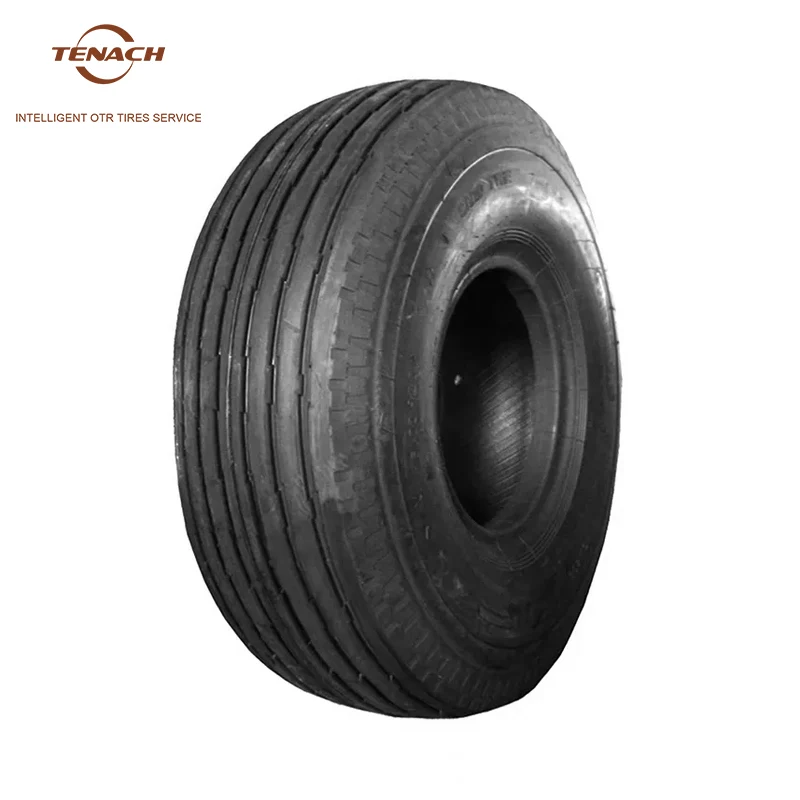
What Makes Bias Truck Tires Structurally Different?
Understanding the design of Bias Truck Tires is essential for selecting the right tire for your vehicle. Unlike radial tires, Bias Truck Tires are built using layers of nylon or polyester plies that crisscross at angles (typically 30–40 degrees). This construction forms a strong, uniform body that enhances sidewall strength.
Key Structural Advantages:
-
Reinforced Sidewalls – Ideal for off-road or mixed-road conditions.
-
Less Vulnerable to Cuts and Impacts – Suited for construction sites, mining operations, and unpaved routes.
-
Even Tread and Sidewall Flexing – Provides stability when carrying heavy loads at lower speeds.
-
Lower Initial Cost – Often more affordable for fleet operators with high tire turnover.
How Do Bias Truck Tires Perform Under Heavy Loads and Tough Terrain?
Bias Truck Tires are engineered for demanding conditions where toughness is more valuable than speed. Their cross-ply construction absorbs shock and distributes load evenly across the tire body.
Performance Highlights
-
Excellent Load-Carrying Capacity – Suitable for dump trucks, loaders, agricultural trailers, and logging vehicles.
-
Enhanced Resistance to Sidewall Damage – Useful for operations involving rocks, debris, uneven roads, and sharp edges.
-
Superior Traction at Low Speeds – Provides reliable grip on mud, gravel, and rugged terrain.
-
Stable Handling – Reduces swaying and tire deformation under heavy loads.
-
Long Service Life in Low-Speed Applications – Keeps operating costs competitive.
Which Product Parameters Should You Check Before Choosing Bias Truck Tires?
When selecting tires, evaluating their specifications ensures proper performance, safety, and compatibility with your vehicle. Below is a reference table representing common technical parameters offered by Dongying Haorun Chemical Co., Ltd.
Product Parameter Table
| Parameter | Specification |
|---|---|
| Tire Type | Bias Truck Tires |
| Ply Rating (PR) | 12PR / 14PR / 16PR / 18PR / 20PR |
| Rim Size | 20", 22.5", 24", customized options |
| Tread Depth | 12–20 mm depending on model |
| Load Index | 138–156 (varies per size) |
| Pattern Design | Rib, lug, mixed terrain |
| Application | Trucks, dumpers, trailers, construction vehicles |
| Speed Rating | A6–A8 (low-speed heavy load) |
| Temperature Resistance | High heat-resistant rubber compounds |
| Sidewall Strength | Extra-reinforced nylon ply construction |
Additional Technical Features
-
High-strength rubber compounds designed for heat, wear, and puncture resistance.
-
Deep tread patterns offering optimal traction on dirt, gravel, and rough surfaces.
-
Uniform ply design ensuring stable footprint and reduced deformation.
-
Customizable tread designs available for different industries through Dongying Haorun Chemical Co., Ltd.
Why Are Bias Truck Tires Often Preferred Over Radial Tires in Harsh Working Conditions?
Although radial tires dominate highway transportation, Bias Truck Tires outperform in several off-road or heavy-load applications.
Bias Truck Tires vs Radial Truck Tires
| Feature | Bias Truck Tires | Radial Truck Tires |
|---|---|---|
| Structure | Cross-ply construction | Steel belts with radial plies |
| Sidewall Strength | Very strong | Softer sidewalls |
| Impact Resistance | High | Moderate |
| Heat Dissipation | Lower | Higher |
| Best Application | Off-road, construction, mining | High-speed highways |
| Cost | Lower | Higher |
| Stability Under Heavy Load | Excellent | Good |
| Flexibility | Less flexible | More flexible |
Conclusion:
For operators prioritizing strength, reliability, and cost-effectiveness in tough environments, Bias Truck Tires remain the smarter choice.
How to Maximize the Performance of Bias Truck Tires?
To obtain optimal results from Bias Truck Tires, proper usage and maintenance practices are essential.
Recommended Practices
-
Maintain Correct Tire Pressure: Prevent excessive deformation and reduce the risk of sidewall fatigue.
-
Use Appropriate Tire Size and Load Rating: Match the tire's ply rating with actual working conditions.
-
Avoid Overspeeding: Bias Truck Tires are designed for low-to-moderate speed operations.
-
Conduct Regular Inspections: Check for cuts, impacts, embedded stones, and abnormal wear.
-
Rotate Tires Periodically: Ensures even wear and longer service life.
-
Choose Quality Models from Reliable Manufacturers: Such as Dongying Haorun Chemical Co., Ltd.
What Are the Main Application Fields for Bias Truck Tires?
Bias Truck Tires are widely used in:
-
Construction site trucks and dumpers
-
Mining transport vehicles
-
Agricultural tractors and trailers
-
Logging trucks and forest machinery
-
Industrial and port transport equipment
-
Mixed-terrain commercial vehicles
Their rugged structure makes them suitable for industries where reliability is crucial and road conditions are unpredictable.
FAQ: Bias Truck Tires
Below are frequently asked questions related directly to Bias Truck Tires. Each answer is explained clearly to support buyers and fleet managers.
1. What are Bias Truck Tires mainly used for?
Bias Truck Tires are used primarily in heavy-load, low-speed environments such as mining, construction projects, agricultural fields, and unpaved transportation routes because their reinforced sidewalls handle impact and uneven surfaces effectively.
2. How long do Bias Truck Tires typically last?
Service life depends on road conditions, load capacity, and maintenance habits. In off-road operations, they often last longer than radial tires because they resist cuts, abrasions, and sidewall damage. Under proper maintenance, they provide stable durability for long-term use.
3. Why should I choose Bias Truck Tires instead of radial tires?
Choose them if your operation involves rough terrain, sharp debris, heavy loads, or slow-speed transport. Their strong carcass and impact resistance make them cost-effective for industries requiring stability and durability rather than high-speed travel.
4. How do I select the right ply rating for Bias Truck Tires?
Ply Rating (PR) determines load-bearing ability. Higher PR values support heavier loads. For construction or mining trucks, 16PR–20PR is common. Always match PR with your actual working environment to ensure safety and tire longevity.
Contact Us for Professional Bias Truck Tires Solutions
For reliable, durable, and industry-proven Bias Truck Tires, you can rely on the expertise and manufacturing capability of Dongying Haorun Chemical Co., Ltd.
We provide customized specifications, fast delivery, and technical support for various industrial applications.
Contact us today to explore the right Bias Truck Tires for your fleet and operating environment.
Send Inquiry



X
We use cookies to offer you a better browsing experience, analyze site traffic and personalize content. By using this site, you agree to our use of cookies.
Privacy Policy
News
 What about truck tire specifications?2021/05/20
Whether it is a truck, truck or car, the size of a tyre is the same, in millimeters as a percentage of cross section width and flat ratio. Add: tire type code, rim diameter (in.), load index (allowable load quality code), allowable speed code.
 What is the tire pressure of the 30 and 50 loaders?2021/05/20
The tire pressure of 30 and 50 loaders is 0.32-0.34MPa and 0.28-0.30MPa respectively.