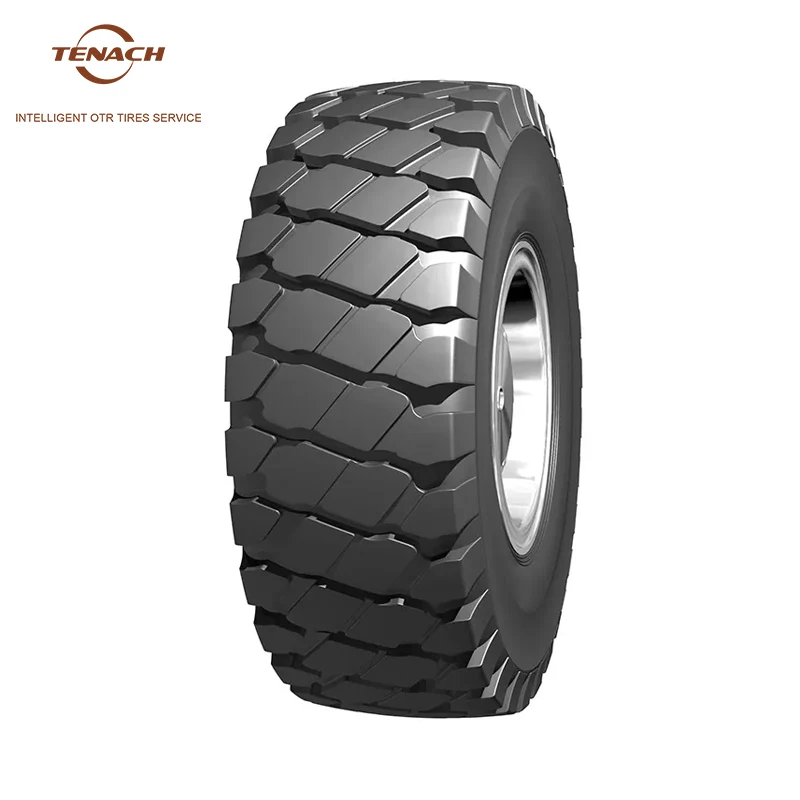
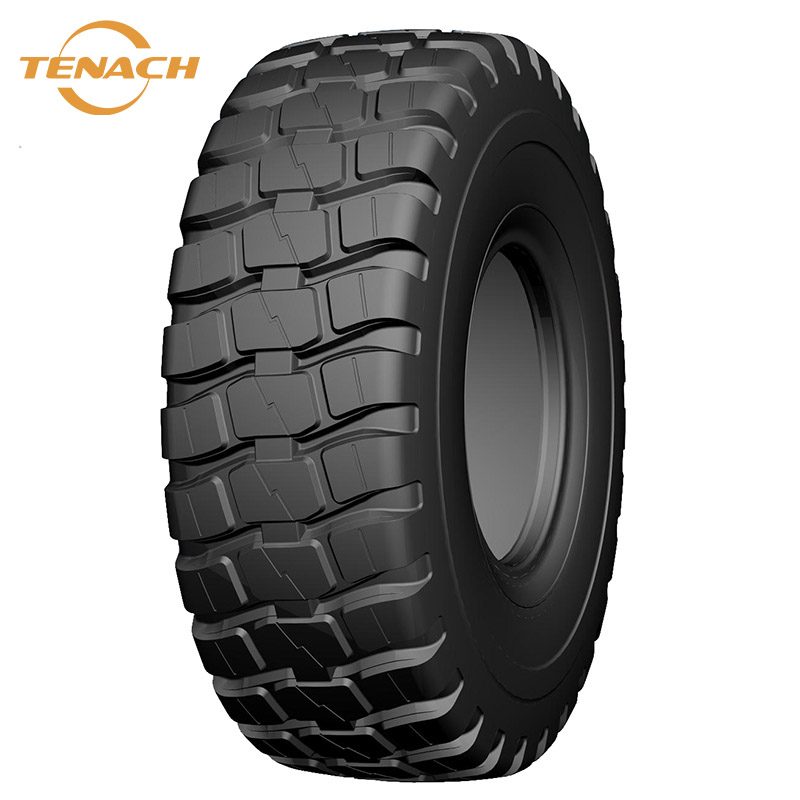
All steel radial OTR tires have become a critical component in modern heavy equipment operations. Whether used in mining, earthmoving, quarrying, port handling, or large-scale construction projects, these tires are designed to withstand harsh environments while maximizing productivity and minimizing downtime.
This comprehensive guide explores the structure, advantages, applications, maintenance methods, selection tips, and common customer concerns related to all steel radial OTR tires. By understanding the real operational value of these tires, businesses can make better purchasing decisions and achieve improved long-term equipment performance.
1. What Are All Steel Radial OTR Tires?
All steel radial OTR tires are specialized off-the-road tires engineered for heavy-duty industrial and construction equipment. The term “OTR” stands for “Off-The-Road,” which refers to vehicles operating in demanding environments such as mines, quarries, ports, forests, and large construction sites.
Unlike traditional tires, all steel radial OTR tires feature steel cord reinforcement throughout the carcass and belt layers. This design significantly improves load-bearing capacity, puncture resistance, heat dissipation, and overall operational lifespan.
These tires are commonly installed on:
-
Rigid dump trucks
-
Wheel loaders
-
Graders
-
Scrapers
-
Mining haul trucks
-
Container handlers
-
Industrial cranes
Key Insight: The combination of radial construction and all-steel reinforcement allows these tires to operate efficiently under extreme loads and harsh terrain conditions.
2. Why Are All Steel Radial OTR Tires Important?
Heavy equipment downtime is one of the biggest operational expenses in industries such as mining and construction. Tire failure can lead to production delays, safety hazards, equipment damage, and costly replacements.
All steel radial OTR tires help solve these challenges by delivering:
|
Operational Challenge
|
How All Steel Radial OTR Tires Help
|
|
Frequent tire failures
|
Enhanced puncture and cut resistance
|
|
High maintenance costs
|
Longer service life reduces replacement frequency
|
|
Fuel inefficiency
|
Lower rolling resistance improves fuel economy
|
|
Unsafe operating conditions
|
Improved traction and stability
|
|
Overheating during long operations
|
Superior heat dissipation performance
|
In high-production industries, tire performance directly impacts profitability. Investing in premium all steel radial OTR tires often results in lower total operating costs over time.
3. Key Structural Features of All Steel Radial OTR Tires
Understanding tire structure helps equipment owners appreciate why these tires outperform conventional alternatives.
Steel Belt Layers
Steel belts strengthen the tread area, improving puncture resistance and load stability.
Radial Ply Construction
Radial plies reduce internal friction and heat generation during long-distance operation.
Deep Tread Design
Aggressive tread patterns enhance traction on loose, rocky, muddy, and uneven surfaces.
Reinforced Sidewalls
Sidewall protection reduces cuts and impact damage in harsh working environments.
4. Main Advantages of All Steel Radial OTR Tires
Longer Service Life
One of the biggest reasons companies switch to all steel radial OTR tires is durability. The steel-reinforced structure resists cuts, abrasions, and impacts much better than conventional tire designs.
This extended lifespan reduces replacement frequency and minimizes operational interruptions.
Improved Fuel Efficiency
Radial tire construction decreases rolling resistance, allowing heavy machinery to consume less fuel during operation.
Over time, this reduction in fuel usage can create substantial cost savings for large fleets.
Enhanced Ride Comfort
The flexible radial sidewall absorbs road shocks more effectively, improving operator comfort and reducing machine vibration.
Excellent Heat Resistance
Heat buildup is a major cause of tire failure in industrial operations. All steel radial OTR tires dissipate heat more efficiently, helping maintain performance during continuous heavy-duty use.
Better Traction and Stability
These tires provide stronger ground contact and superior grip on rough terrain, improving operational safety and productivity.
5. Major Industry Applications
Different industries require different tire performance characteristics. All steel radial OTR tires are widely used across multiple sectors.
|
Industry
|
Typical Equipment
|
Key Tire Requirement
|
|
Mining
|
Haul trucks, loaders
|
Extreme load capacity
|
|
Construction
|
Graders, dump trucks
|
Durability and traction
|
|
Port Operations
|
Container handlers
|
Stability and wear resistance
|
|
Quarrying
|
Wheel loaders
|
Cut resistance
|
|
Forestry
|
Logging equipment
|
Mud traction and puncture resistance
|
6. All Steel Radial OTR Tires vs Bias OTR Tires
Many fleet owners compare radial and bias tires before making a purchasing decision.
|
Feature
|
All Steel Radial OTR Tires
|
Bias OTR Tires
|
|
Heat Dissipation
|
Excellent
|
Moderate
|
|
Fuel Efficiency
|
Higher
|
Lower
|
|
Ride Comfort
|
Better
|
Stiffer
|
|
Durability
|
Long-lasting
|
Shorter lifespan
|
|
Initial Cost
|
Higher
|
Lower
|
Although radial tires may require a higher initial investment, their long-term operational savings often outweigh the upfront cost.
7. How to Choose the Right All Steel Radial OTR Tires
Selecting the correct tire is critical for performance, safety, and operational efficiency.
Consider Load Capacity
Ensure the tire can support the maximum operational weight of your equipment and materials.
Evaluate Terrain Conditions
Rocky environments require stronger cut-resistant compounds, while muddy terrain demands deeper traction patterns.
Check Heat Resistance
Long-distance haul operations generate significant heat. Choose tires specifically designed for heat management.
Analyze Operating Speed
Tire speed ratings should match actual operational conditions to avoid premature wear.
Review Tire Size Compatibility
Improper tire sizing can negatively impact machine balance, fuel consumption, and safety.
8. Maintenance Best Practices
Proper maintenance significantly extends tire life and improves operational safety.
-
Inspect tire pressure regularly
-
Remove embedded rocks and debris
-
Monitor tread wear patterns
-
Rotate tires when necessary
-
Avoid overloading equipment
-
Train operators on safe driving techniques
-
Perform regular wheel alignment checks
Consistent inspection schedules can help identify small problems before they become expensive failures.
9. Common Problems and Solutions
|
Problem
|
Possible Cause
|
Recommended Solution
|
|
Uneven wear
|
Incorrect inflation pressure
|
Maintain recommended PSI levels
|
|
Sidewall cuts
|
Sharp rocks or debris
|
Improve site cleaning procedures
|
|
Heat damage
|
Overloading or overspeeding
|
Reduce operational stress
|
|
Rapid tread wear
|
Poor terrain conditions
|
Use terrain-specific tread designs
|
10. Future Trends in All Steel Radial OTR Tires
Tire technology continues evolving to meet the growing demands of industrial operations.
Emerging innovations include:
-
Smart tire monitoring systems
-
Advanced heat-resistant rubber compounds
-
Environmentally friendly manufacturing materials
-
Improved fuel-saving tread designs
-
Enhanced durability for autonomous vehicles
These advancements will further improve operational efficiency while reducing environmental impact and ownership costs.
11. Frequently Asked Questions
How long do all steel radial OTR tires last?
Tire lifespan depends on operating conditions, maintenance practices, load capacity, and terrain. With proper maintenance, these tires generally last significantly longer than bias tires.
Are all steel radial OTR tires suitable for mining operations?
Yes. These tires are widely used in mining because of their exceptional load capacity, puncture resistance, and heat dissipation performance.
Why are radial OTR tires more expensive?
Their advanced engineering, steel reinforcement, and longer lifespan contribute to higher initial costs. However, they often reduce total operating expenses over time.
Can these tires improve fuel efficiency?
Yes. Reduced rolling resistance helps lower fuel consumption, especially in long-haul industrial operations.
What causes premature tire failure?
Common causes include underinflation, overloading, excessive speed, poor maintenance, and harsh operating environments.
12. Conclusion
All steel radial OTR tires are an essential investment for industries that rely on heavy-duty equipment and demanding off-road operations. Their superior durability, fuel efficiency, traction, and operational reliability make them the preferred solution for mining, construction, quarrying, forestry, and industrial handling applications.
Choosing the right tire and maintaining it properly can dramatically reduce downtime, improve productivity, and lower long-term operating costs.
Dongying Haorun Chemical Co.,Ltd provides high-quality all steel radial OTR tires designed for demanding industrial environments. Our products deliver excellent durability, stability, and long-term performance for global customers.
Contact us today to learn more about customized tire solutions for your equipment and projects.